

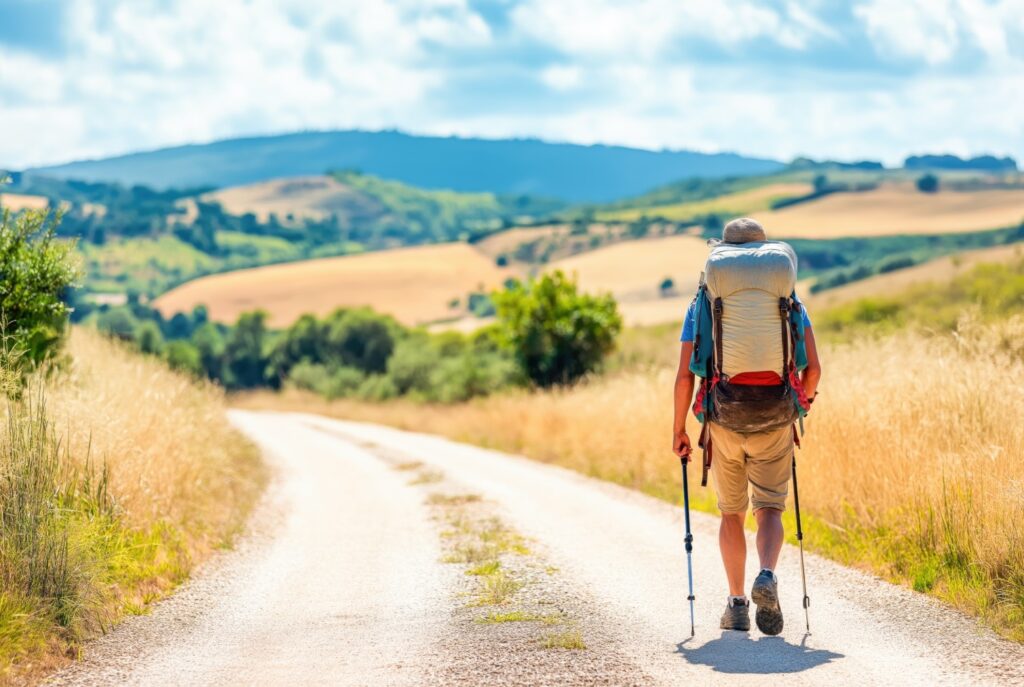
The pilgrimage to Fátima is both a spiritual and physical journey that thousands of people undertake annually in Portugal. This path, traveled with devotion by many, involves challenges that require preparation and specific care to ensure a safe and rewarding experience. Here are some essential tips for all pilgrims looking to reach the Sanctuary of Fátima safely and with a renewed spirit.
Choose Properly Marked Trails
Before starting the pilgrimage, it is essential to choose a properly marked route. There are several paths leading to Fátima, notably the Caminho Centenário and the Rota Carmelita. Walking along marked trails significantly reduces the risk of getting lost or encountering dangerous areas, providing alternatives to hazardous national roads.
Respect Traffic Rules
If your chosen route includes roads, it is crucial to follow traffic rules. Walking along roads can be dangerous, especially in areas with heavy traffic. Here are some essential recommendations:
- Walk against traffic: Walking facing oncoming vehicles gives you a clear view of traffic and allows for quick reactions if needed.
- Wear reflective vests and bright clothing: If walking in low-light areas, especially during dawn or dusk, it’s crucial to be visible to drivers. A reflective vest and brightly colored clothes help increase your visibility.
- Use sidewalks whenever possible: If there are sidewalks or wide shoulders along the road, use them to keep as far away as possible from moving vehicles.
- Respect traffic signs and crosswalks: Even while on a pilgrimage, traffic rules always apply. Use crosswalks to cross roads and obey traffic lights and other signs.
Walk in Company
Pilgriming in a group is always a safer option. Walking with friends or acquaintances not only provides emotional and physical support but also enhances safety. If something happens—such as an injury or other emergency—you will have someone nearby to assist or seek help. If you don’t have company for the pilgrimage, consider joining a group of pilgrims. Throughout the year, various associations and groups organize group walks, providing a safer and more social experience.
Stay Hydrated and Take Regular Breaks
The pilgrimage is a physically demanding journey that can last several days and involve long walks under varying weather conditions. Hydration is crucial to avoid exhaustion and other health issues, such as heat strokes or dehydration.
- Always carry water: Even if there are stopping points with water sources along the route, it’s important to have a water bottle with you. Refill whenever possible.
- Take regular breaks: Listen to your body. If you feel tired, dizzy, or in pain, it’s time to stop. Don’t push beyond your limits. Taking regular breaks helps prevent injuries and allows your body to recover.
- Protect yourself from the sun: If walking on hot days, wear a hat and sunscreen. The risk of sunburns and heat exhaustion is real, and prevention is always the best option.
- Eat a balanced diet: Don’t forget to carry light but nutritious snacks, such as granola bars, fresh fruit, or nuts. A balanced diet keeps your energy levels stable throughout the journey.
Wear Appropriate Footwear and Clothing
The comfort of the pilgrim starts with the feet. Wearing suitable footwear is one of the most important tips for those walking long distances. Here are some recommendations on what to wear and bring during the pilgrimage:
- Wear comfortable and sturdy shoes: Avoid new shoes or those you’ve never worn for long walks. Ideally, choose tested shoes or boots that offer support and cushioning.
- Dress in layers: Weather can be unpredictable, especially if the pilgrimage lasts several days. Dressing in layers allows you to adjust your clothing according to temperature changes throughout the day.
- Quality socks: Don’t underestimate the importance of socks. Cotton or specialized hiking socks help prevent blisters and keep your feet dry.
Accommodation and Shelter
During the pilgrimage, it is essential to stay in safe and appropriate places. Fortunately, along the main paths to Fátima, there are accommodations and various shelters prepared to welcome pilgrims.
- Plan your stops: Before starting the journey, research and plan where you intend to stay overnight. Some of these places may require advance booking, especially during peak seasons.
- Avoid sleeping in unprepared places: Although the temptation to stop anywhere when fatigue sets in is great, it’s important to choose safe and prepared places to sleep. Sleeping outdoors or in unmarked areas can pose unnecessary risks, such as lack of safety or exposure to adverse weather conditions.
Carry a First Aid Kit
Having a small first aid kit can be extremely useful during the pilgrimage. Minor cuts, blisters on the feet, or muscle aches are common on long walks. A basic kit should include:
- Adhesive bandages for blisters and small wounds;
- Anti-inflammatory ointment for muscle pain;
- Pain relievers for any discomfort;
- Disinfectant for cleaning wounds;
- Tweezers for removing small stones or debris.
Stay Informed and Share Your Itinerary
Before starting the walk, inform your family or friends about your itinerary. Let them know which routes you’ll be taking and where you plan to stop for the night. Sharing this information is essential for them to keep track of your journey and provide assistance in case of emergency. Additionally, it’s helpful to carry a fully charged mobile phone and, preferably, a power bank to ensure you can communicate if necessary.